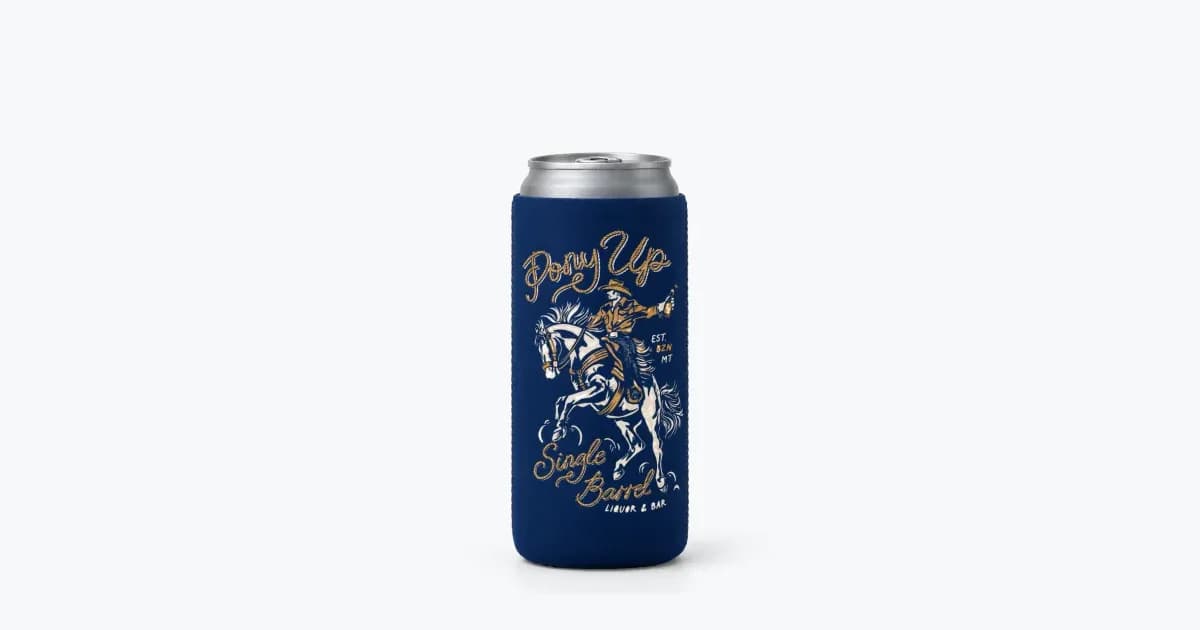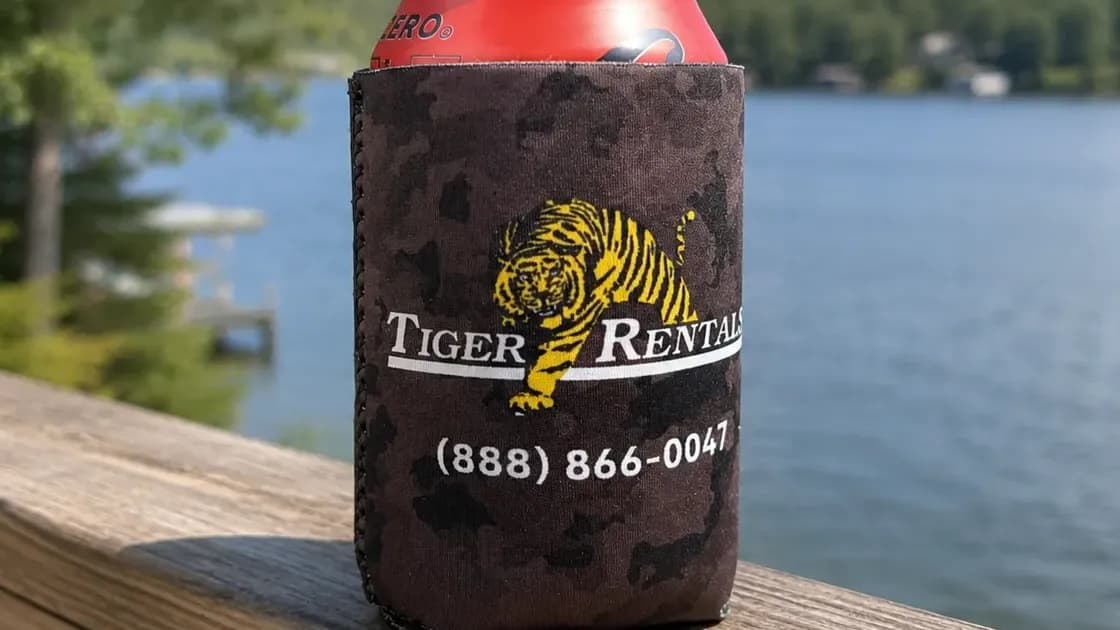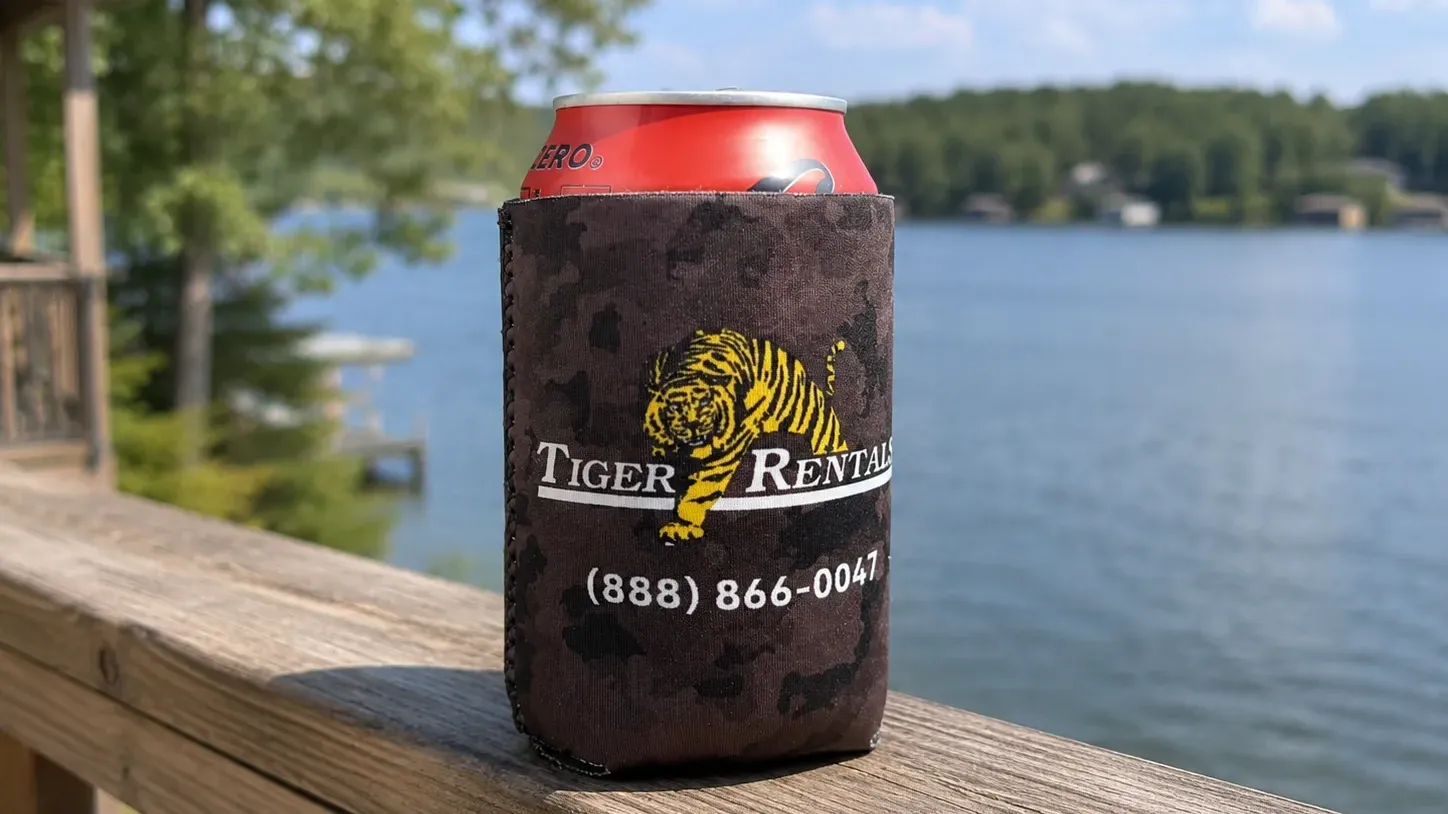
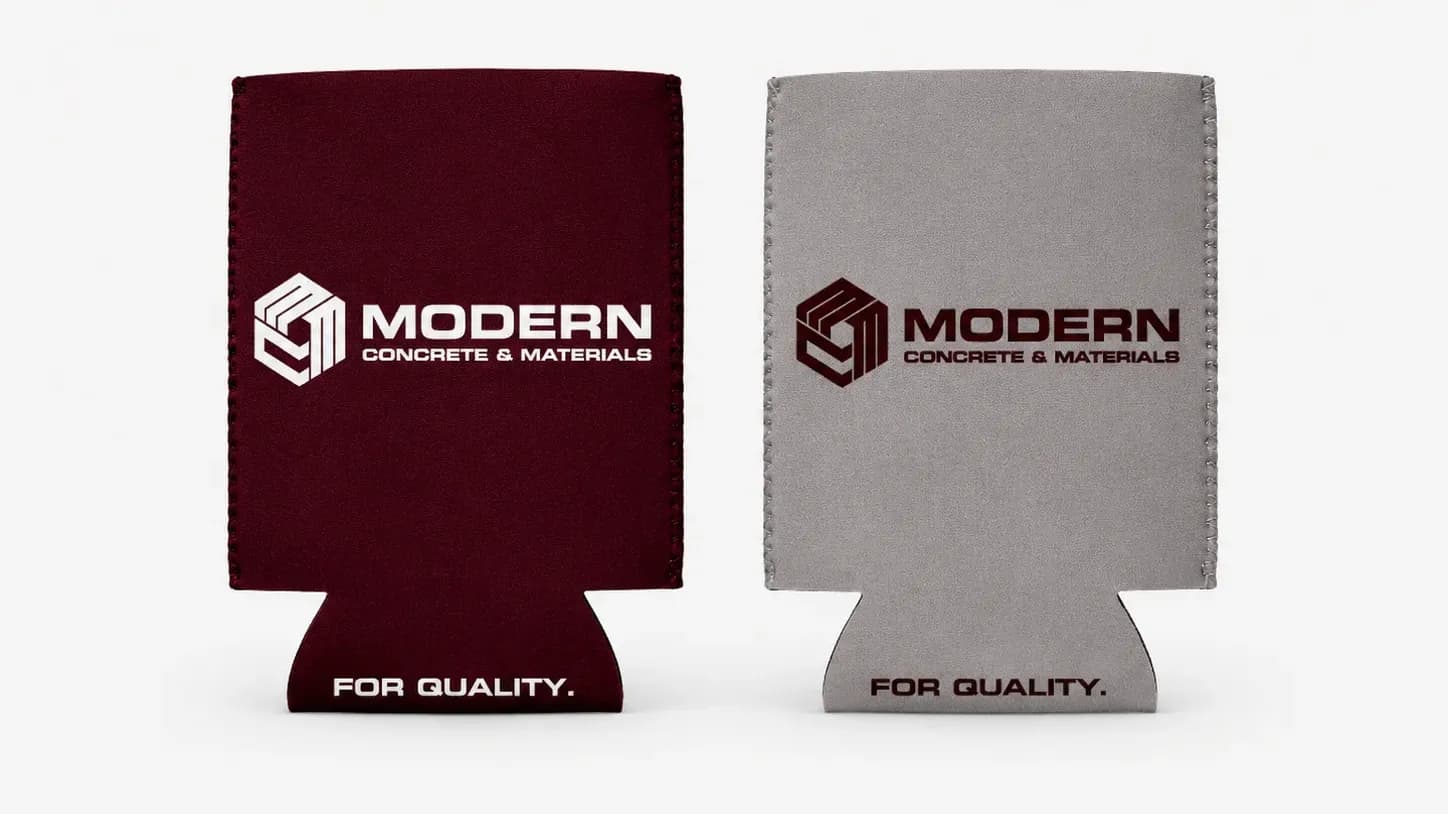
Short answer: "koozie" is the spelling of the brand name, and "coozie" is the same word spelled the way it sounds. Both are understood, and both name the same object as "cozy" and "can cooler": an insulated sleeve that slips over a canned drink to keep it cold and your hand dry. The words differ; the product does not. What genuinely differs is who owns which word, and that is why a wholesale catalog will sell you a "can cooler" while everyone at the party is calling it something else.
The trademark story, briefly
KOOZIE® is a registered trademark. It belongs to Koozie Group, the promotional-products company formerly known as BIC Graphic, and the registration is live today. This is not an expired filing or a historical footnote. Reel48 is not affiliated with Koozie Group, we are not a licensee, and we do not sell their product.
We are not lawyers and none of this is legal advice. What we can tell you is how we act on it: when a word is somebody else's registered brand name, we use the generic name for our own product instead, in the catalog, in the cart and in the order confirmation. That is why the rest of this site says "can cooler", and why this post is the one place where the other word is the subject rather than the product name.
The four names people actually use
Koozie. The most typed of the four by a wide margin, and the reason we just spent two paragraphs on trademarks. It reached everyday American speech through the brand, which is precisely why it is still a brand.
Coozie. The common respelling, pronounced the same and spelled the way people hear it. If you have seen the word on a wedding welcome bag or a bachelorette-party order form, this is usually the spelling it was wearing. You will also run into "kozie" and "cuzie" in the wild: same word, same product.
Cozy, or huggie. "Cozy" borrows from the British tea cosy, the knitted cover that keeps a teapot warm. The idea is the same, pointed at a cold drink instead of a hot one. "Huggie" turns up across the South and describes the fit rather than the function: the sleeve hugs the can.
Stubby holder. The Australian term, named for the stubby (the short, squat beer bottle it was built around). Ask for one in Brisbane and you will get roughly what an American means by any of the words above, sized for a bottle as often as a can.
What the product actually is
Under the vocabulary is a simple object. Ours is neoprene: the stretchy closed-cell rubber used in wetsuits, cut and sewn into a sleeve with a fabric face that takes full-color printing. The closed cells do the insulating, and the stretch removes the air gap between can and sleeve, which is the other half of why the drink stays cold.
Two sizes cover nearly everything in the cooler. The standard 12 oz die fits regular beer and soda cans, and because neoprene stretches, most 12 oz bottles as well. The slim die fits the tall, narrow 12 oz can that hard seltzers, canned cocktails and energy drinks are sold in. The other material you will meet out there is thin collapsible foam: cheaper, less insulating, softer-edged printing. We compare the two in our neoprene vs. foam guide.
Why we say "can cooler"
At Reel48 we call them can coolers, because we're not Koozie Group and we don't sell their product. The promotional-products industry lands in the same place for the same reason, listing the item as a can cooler, a can insulator or a can sleeve. So if you are searching a wholesale catalog and coming up empty, switch to the generic name: it is the one suppliers file the product under.
The complication is search. Most people still type the brand-derived spelling, so a page that never prints it is a page nobody finds. Hence this post, and hence the careful line we walk everywhere else: the generic name on the product, the colloquial word only where the word itself is the subject.
So which one should you use?
In conversation, whichever you grew up with. Nobody will be confused, and we are not about to correct a customer's word choice. When you are shopping, search with the spelling you know and expect the product page you land on to say can cooler.
How to order one with your design on it
None of this changes how you buy one. Pick a size and a color, add your logo or your saying, and look at it before you commit: the online designer renders your artwork on the sleeve itself, and what you approve there is what we print. Every price is published up front: the ladder by quantity sits on the custom can coolers page, and the per-unit math, the minimum and the flat shipping are broken out in what custom can coolers cost. Anything else (artwork formats, turnaround, the trademark question itself) is answered on our FAQ.